To discover more of the natural and cultural treasures of our country and region, and to learn more about Turkish culture, we recommend visiting antalya.goturkiye.com, antalya.ktb.gov.tr and kulturportali.gov.tr.
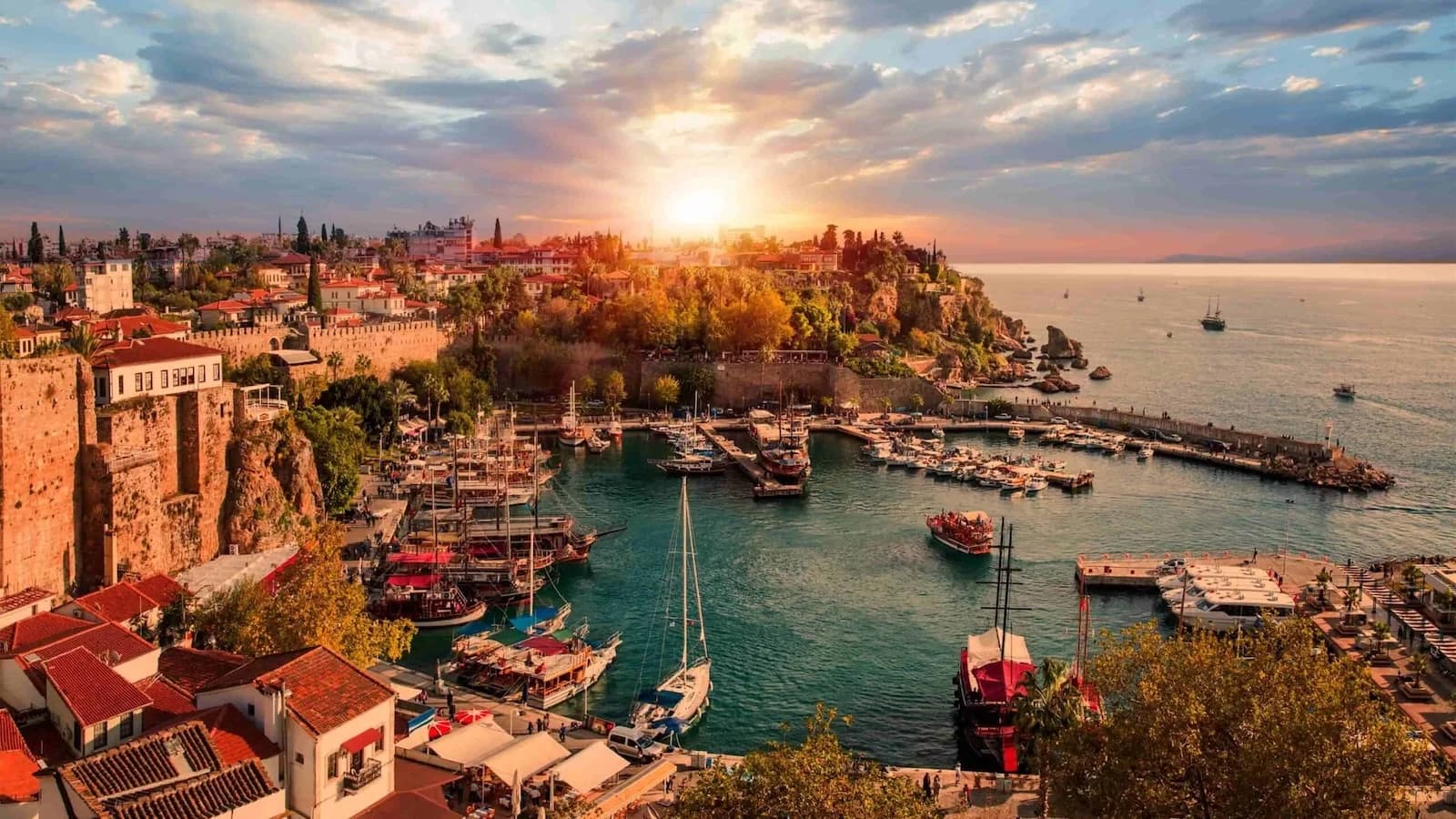
Located in the heart of Antalya, Kaleiçi offers a charming atmosphere with its narrow streets, traditional stone houses and historic buildings. Just below it, the Old Harbour is one of the city's most enjoyable places, with boats, cafés and beautiful sunset views.
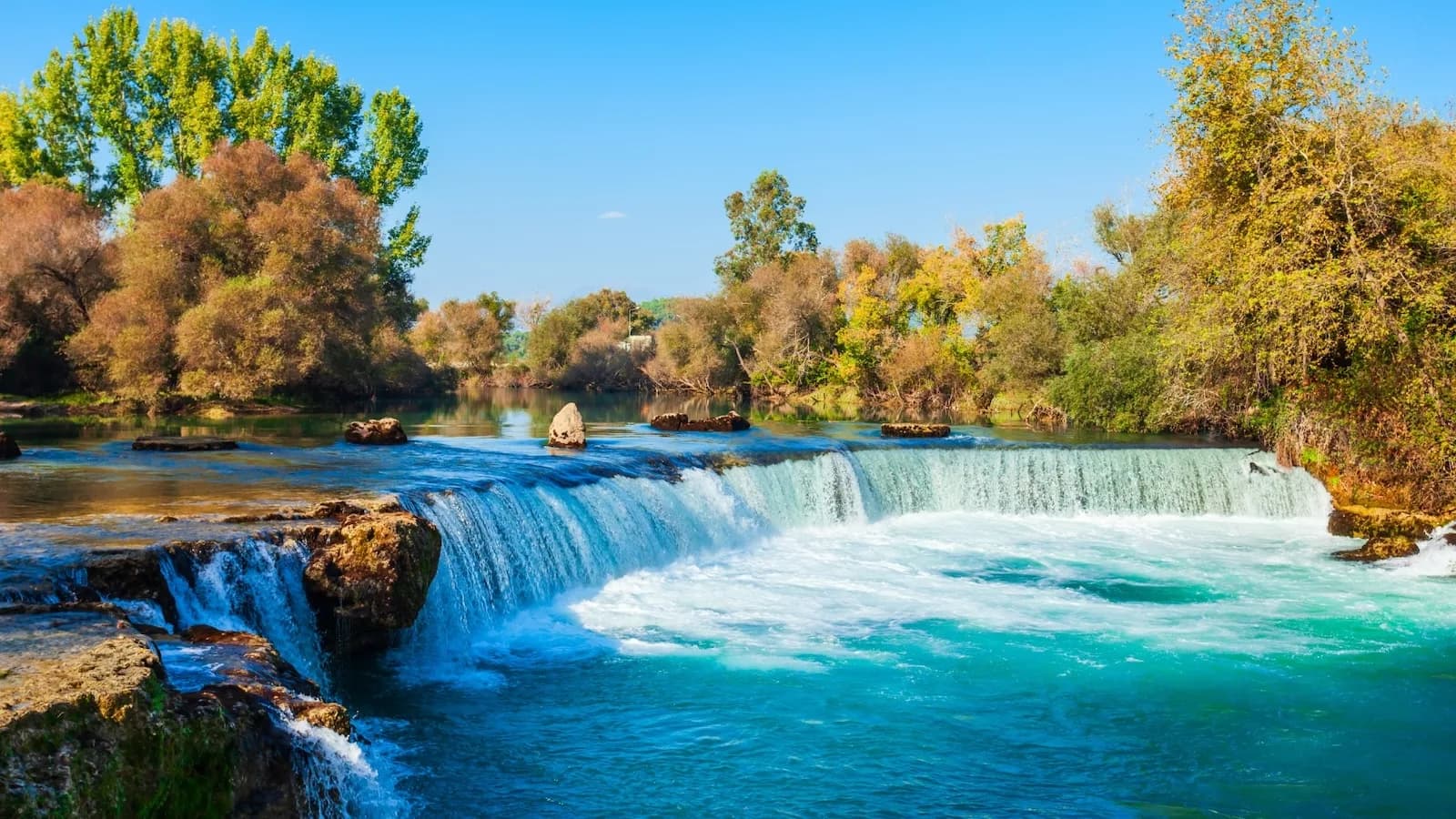
Located 3 km west of Manavgat, the waterfall bears the same name as the district. Although it falls from a surprisingly low height, its roaring flow across a wide area creates a view well worth seeing. It can be reached by minibuses departing from Manavgat.
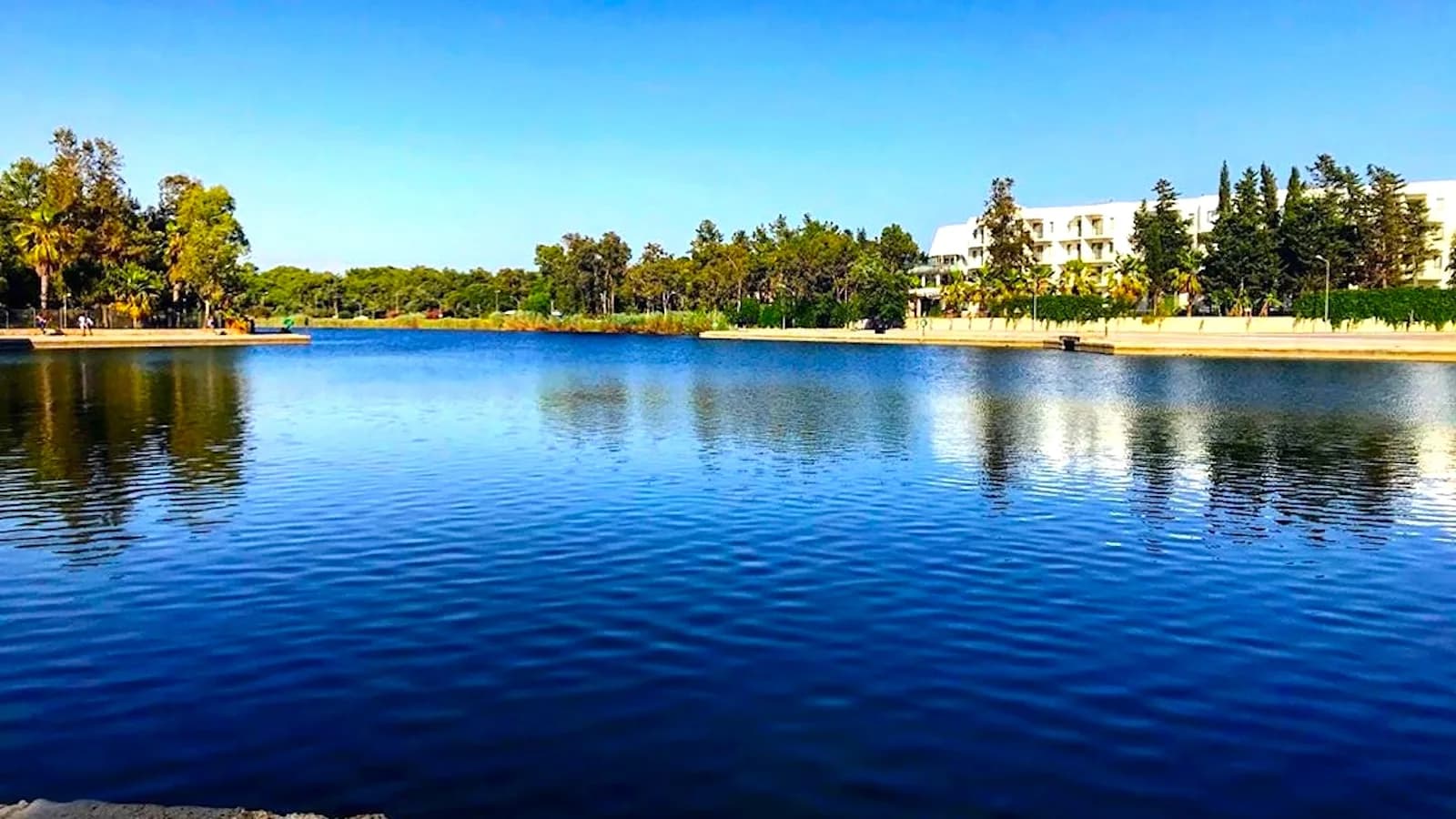
The lake is very still, yet even the lightest breeze makes its surface tremble, which is how it got its name. According to legend, birds would gather around an old fisherman who lived by the lake whenever he fed them. One day, hunters shot ducks on the water. The fisherman confronted them and tried to stop the hunt, but they pushed him aside. The other ducks then rose together, creating a whirlwind with their wings and driving the hunters away. From that day on, the lake is said to have continued trembling.
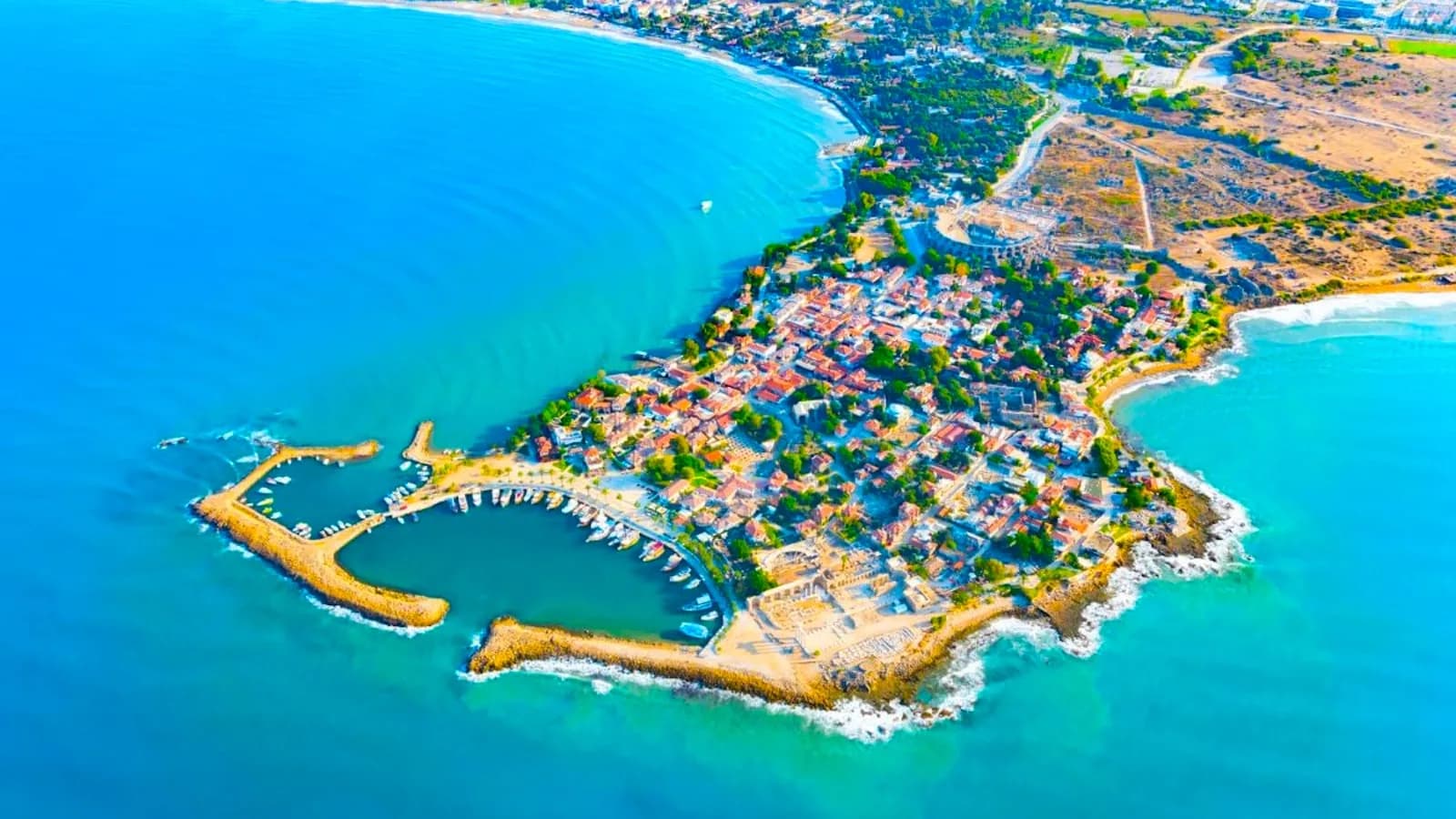
Located 75 km from Antalya and 7 km from Manavgat, Side is a peninsula approximately 400 metres wide and 1 kilometre long. The name Side means ‘pomegranate’ in an ancient Anatolian language. Inscriptions suggest that its history reaches back to the Hittites. According to some sources, one of Anatolia’s oldest settlements was founded before the 7th century BC and later came under the rule of many civilizations.
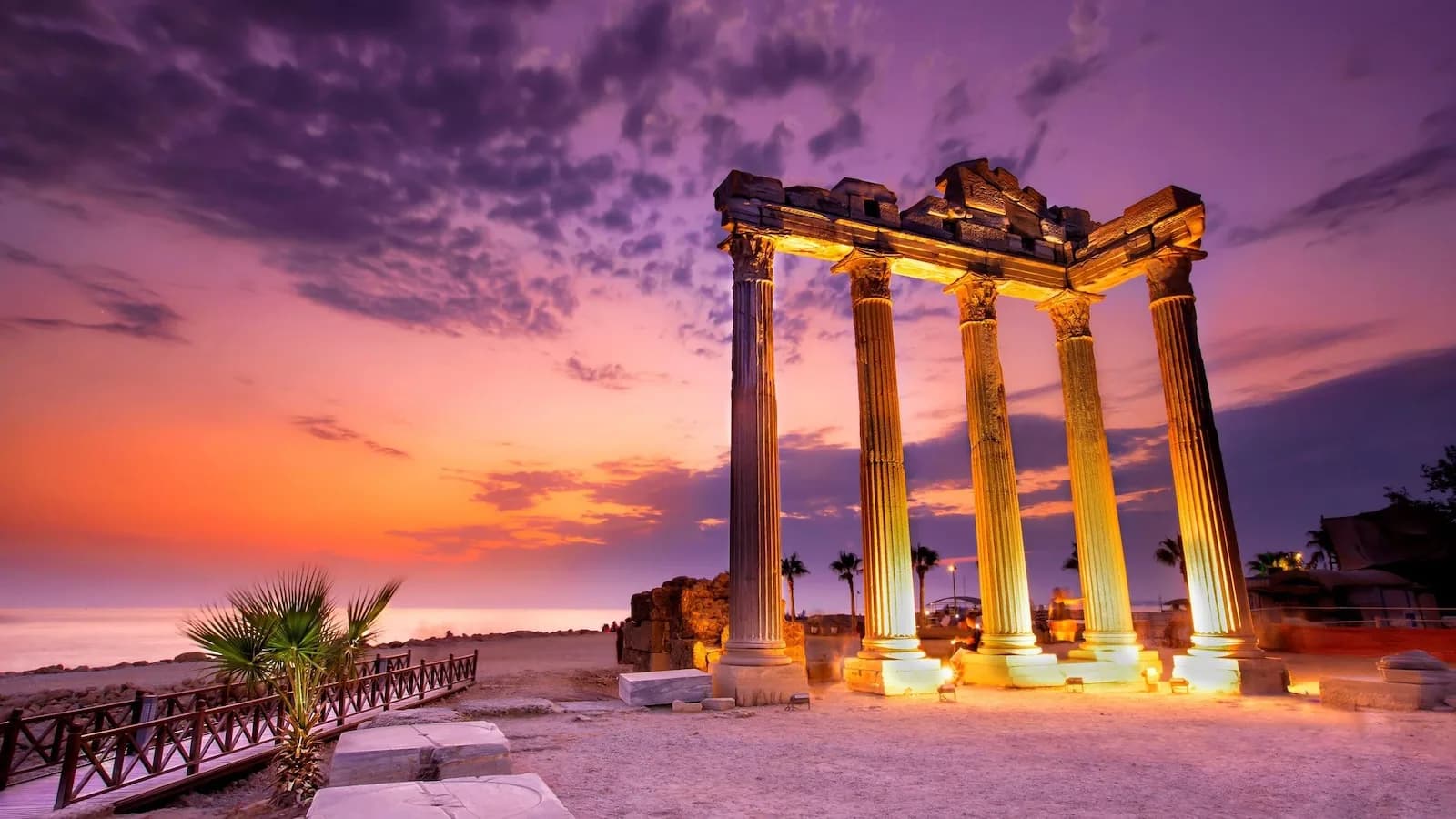
Located 75 km from Antalya and 7 km from Manavgat, Side lies on a peninsula approximately 400 metres wide and 1 kilometre long. Known in the lexicon of Hesychius as the City of Pomegranates, ancient Side brings history to life through its theatre, seaside ruins, Temple of Apollo, magnificent city gate, baths, agora and historic harbour.
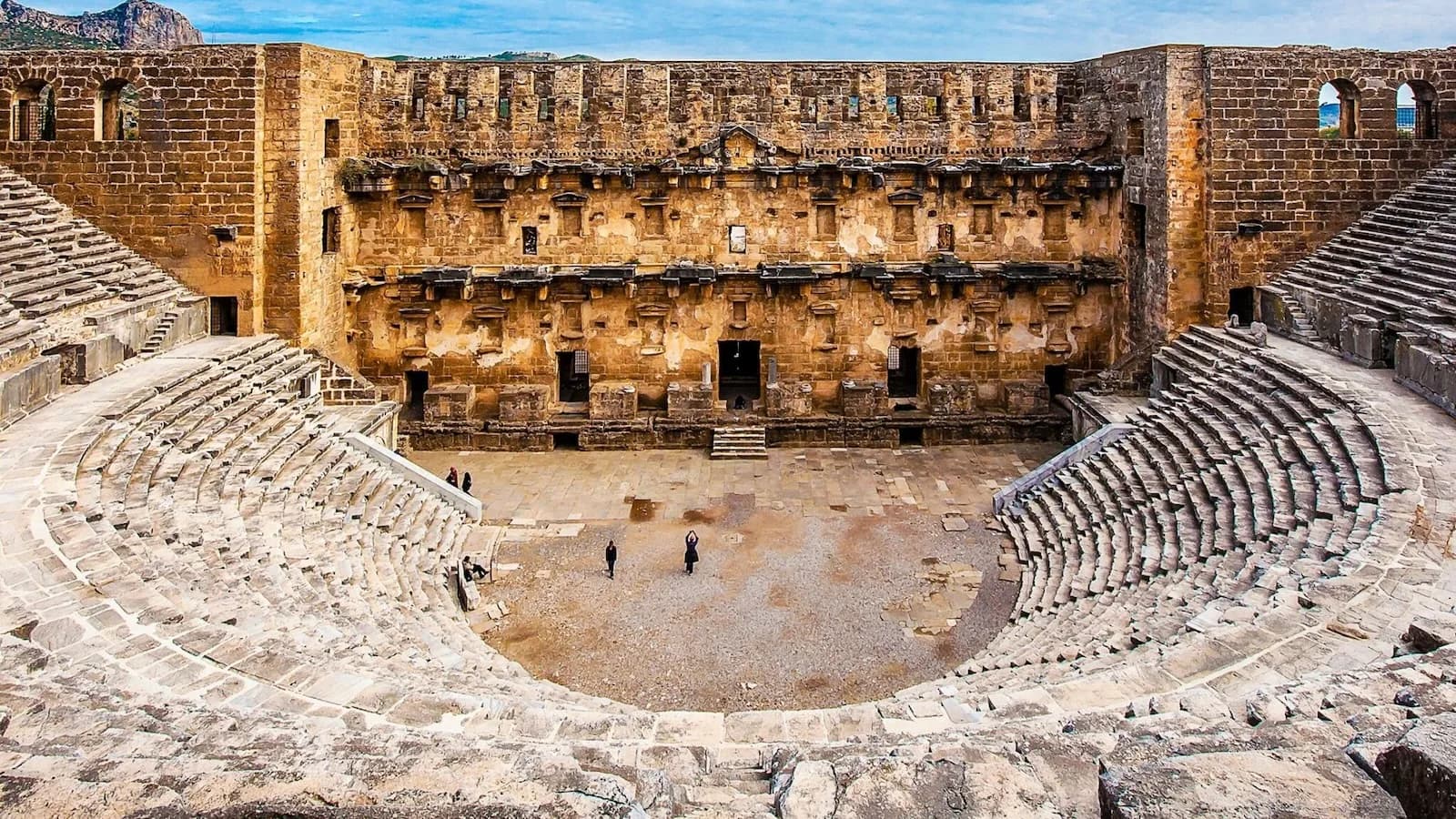
Built in the 2nd century AD, 44 km from Manavgat, the 17,000-seat Aspendos Theatre is one of the best-preserved amphitheatres still standing today. It is among the rare theatres whose stage has survived in excellent condition. The venue is now used for concerts, celebrations, festivals and traditional oil wrestling. The Agora, Basilica, Nymphaeum and 15-kilometre arched aqueducts are also worth seeing.
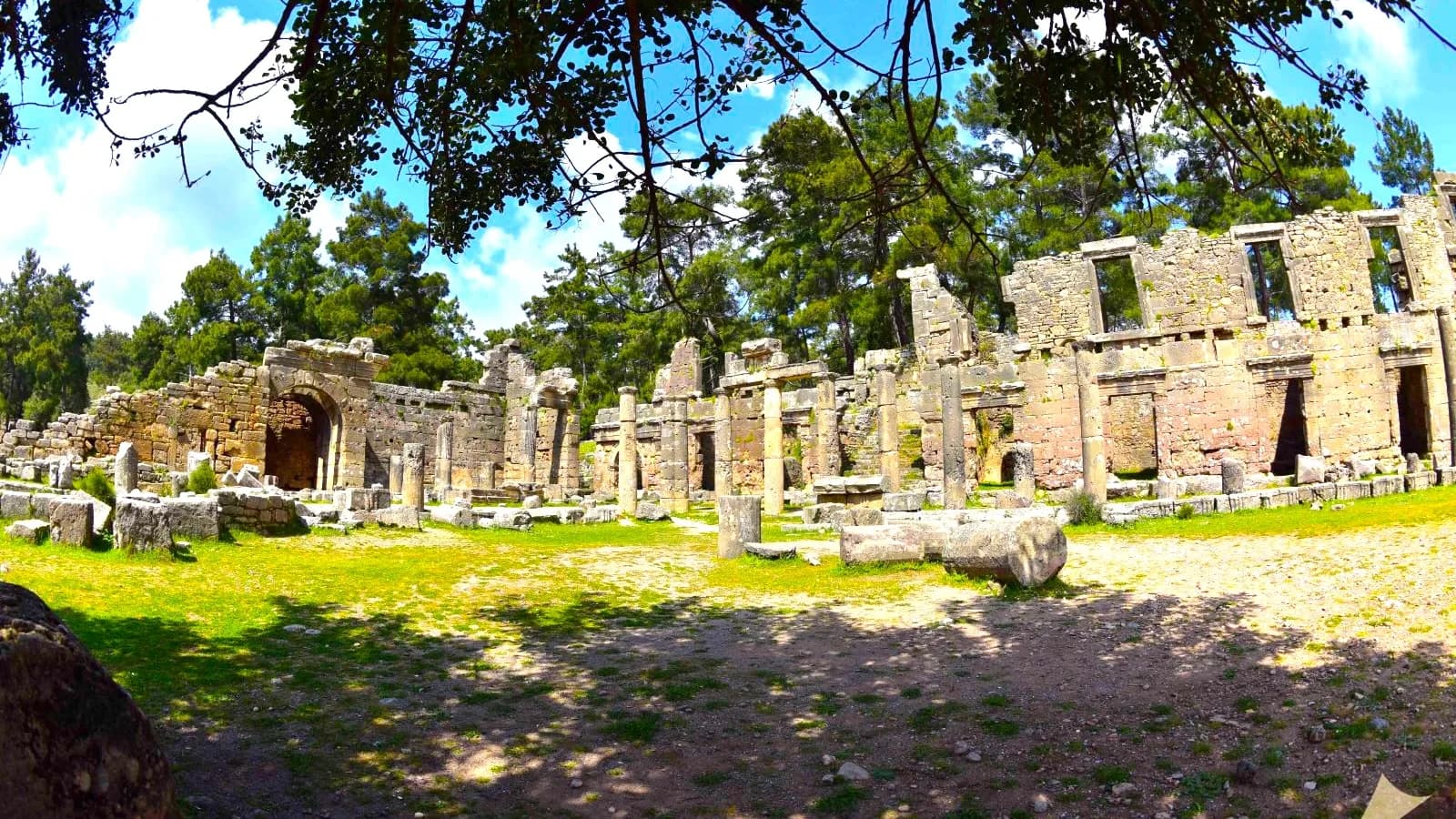
The ruins of Seleukeia are reached after travelling 12 km northwest from Manavgat towards the Taurus Mountains. Founded by the Seleucids as a fortified acropolis city on a hill around 300 BC, its geography of steep slopes and deep valleys overlooks the entire plain and the sea.
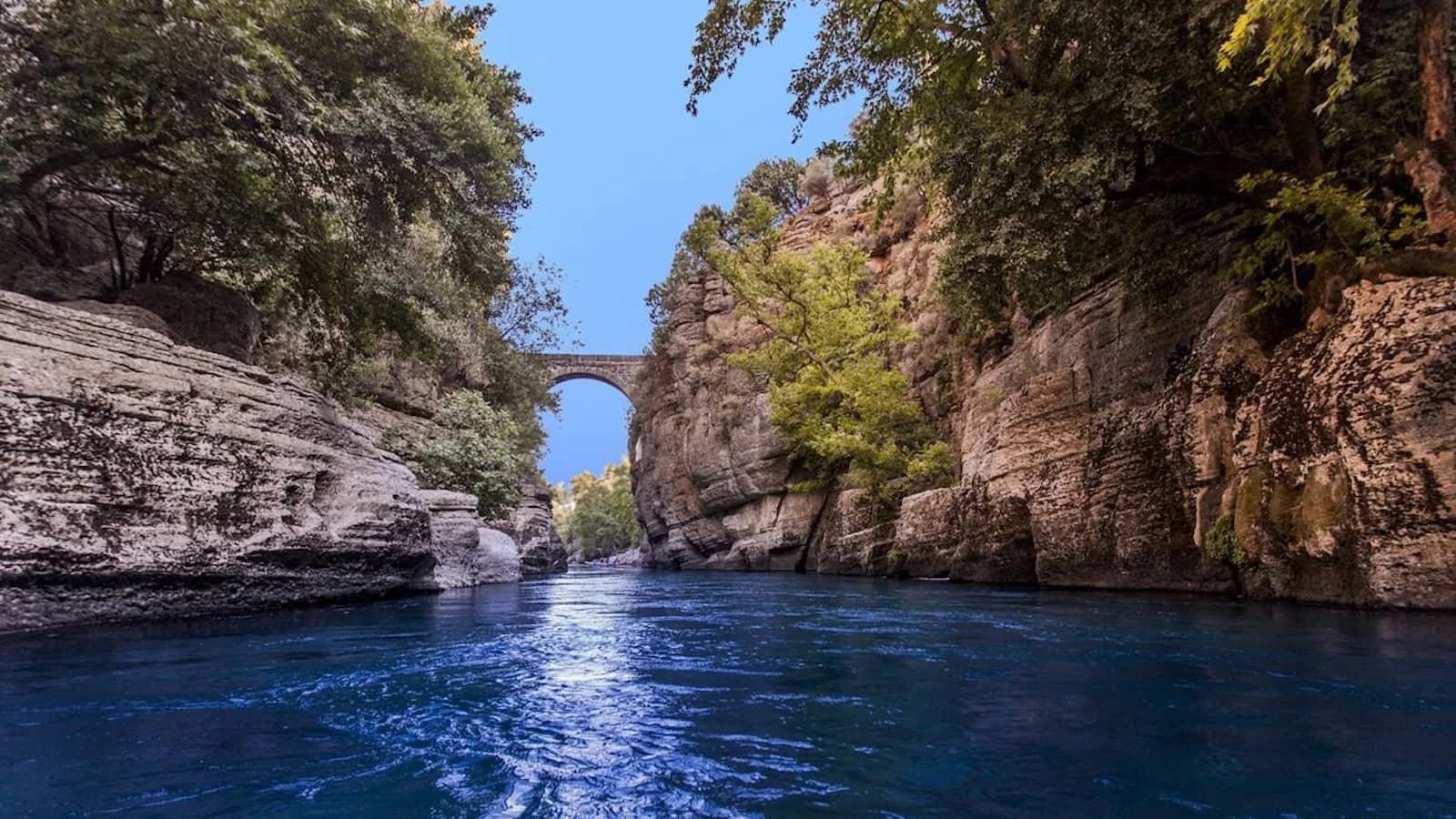
Köprülü Canyon National Park is 60 km from Manavgat. It is one of Türkiye’s most popular rafting areas and its longest canyon. Rafting is an exciting river sport performed in inflatable boats on fast-flowing rivers. The Köprüçay River is one of Türkiye’s finest natural recreation areas, while Roman bridges, historic roads and many archaeological remains make the national park especially worth visiting.
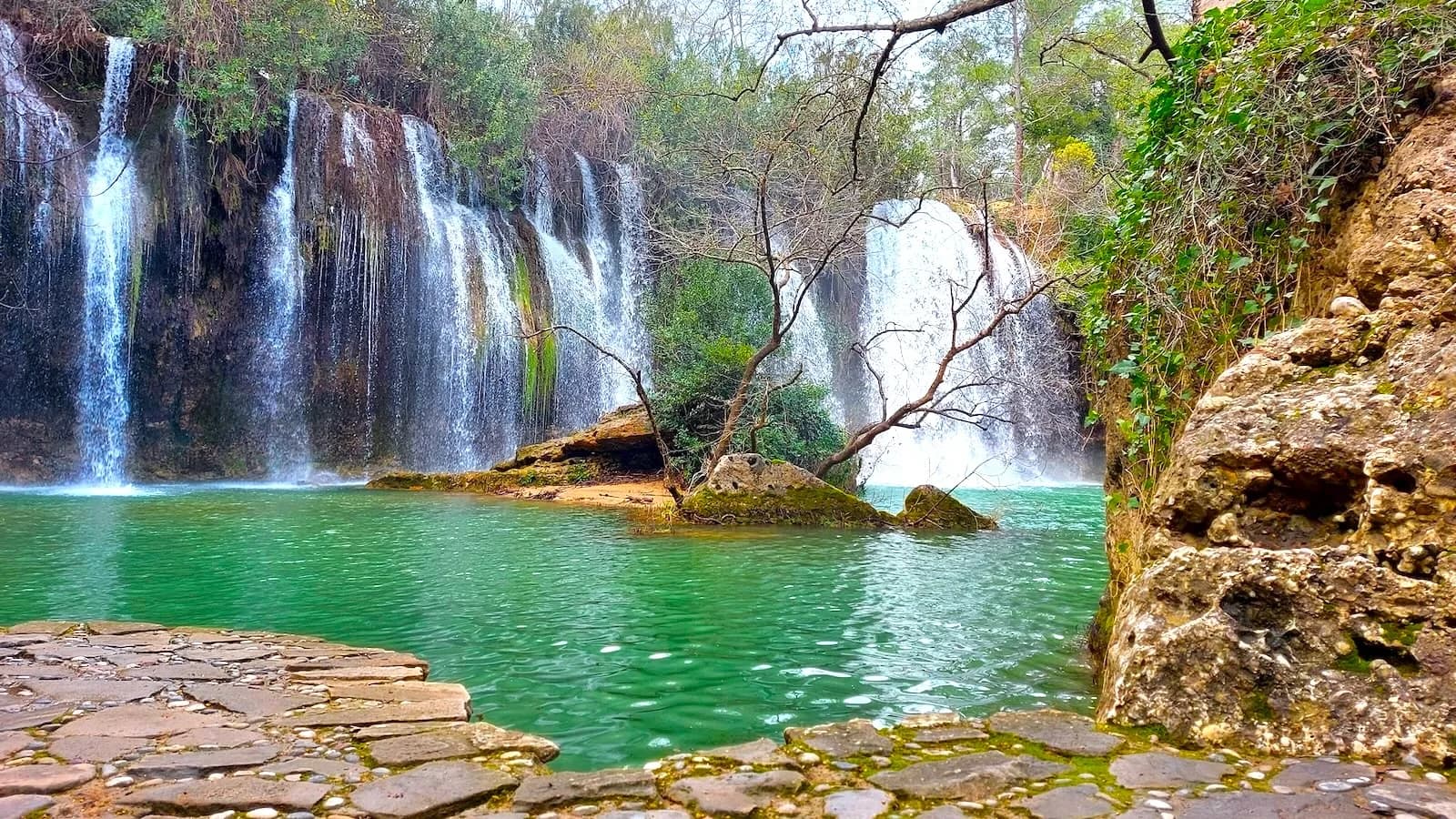
At Kurşunlu Waterfall, water falls from a height of 18 metres and seven small ponds are connected by smaller cascades. The waterfall lies within a two-kilometre canyon. Opened as a public park in 1986, the waterfall and picnic area cover 33 hectares and include viewing terraces, a children’s playground, restaurant, car park and walking paths.
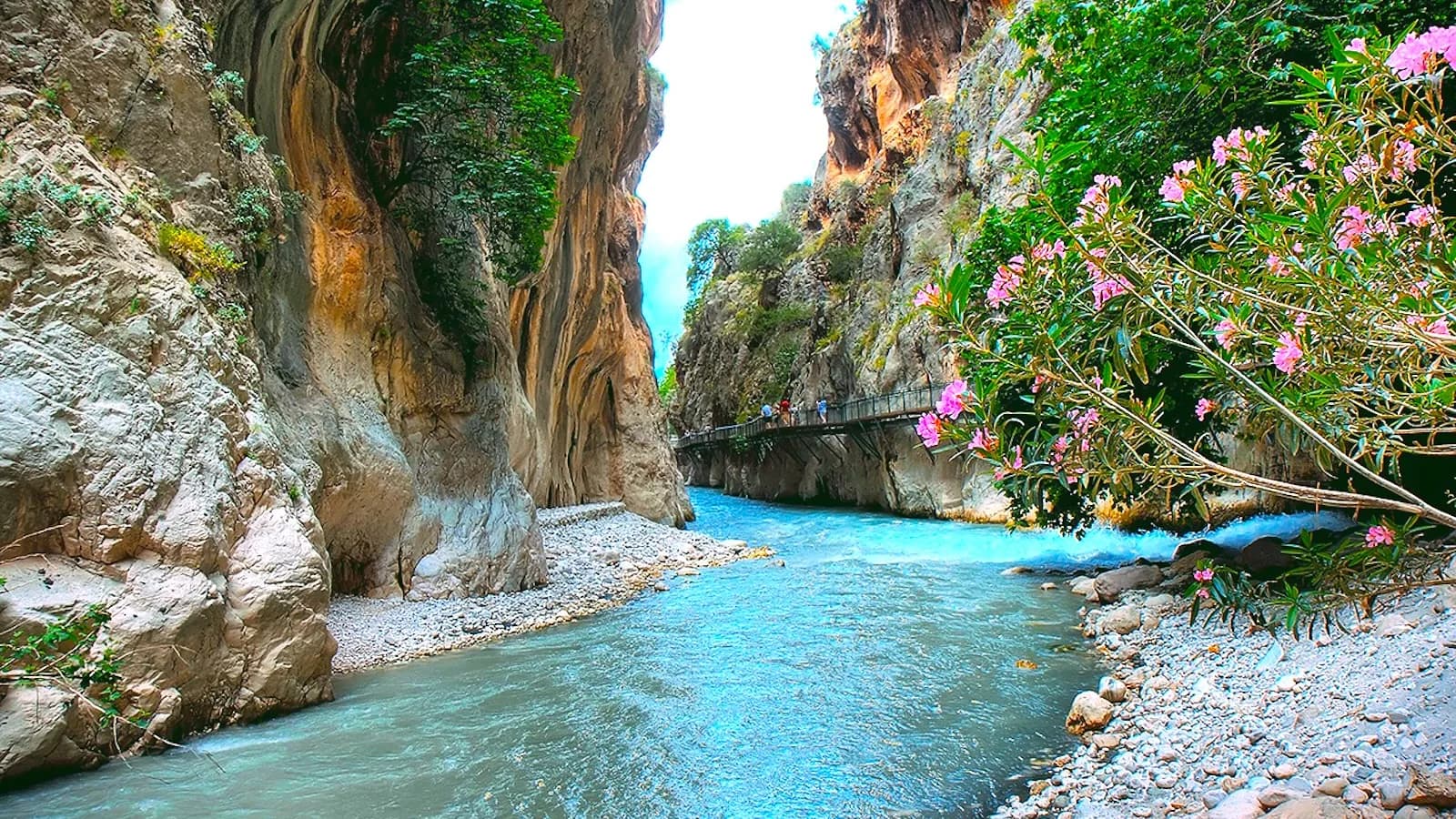
Located between Antalya and Fethiye, Saklıkent Canyon is 18 kilometres long. It is a rewarding destination for visitors planning a trip immersed in nature, where forests of Turkish red pine, cedar and black pine can also be seen.
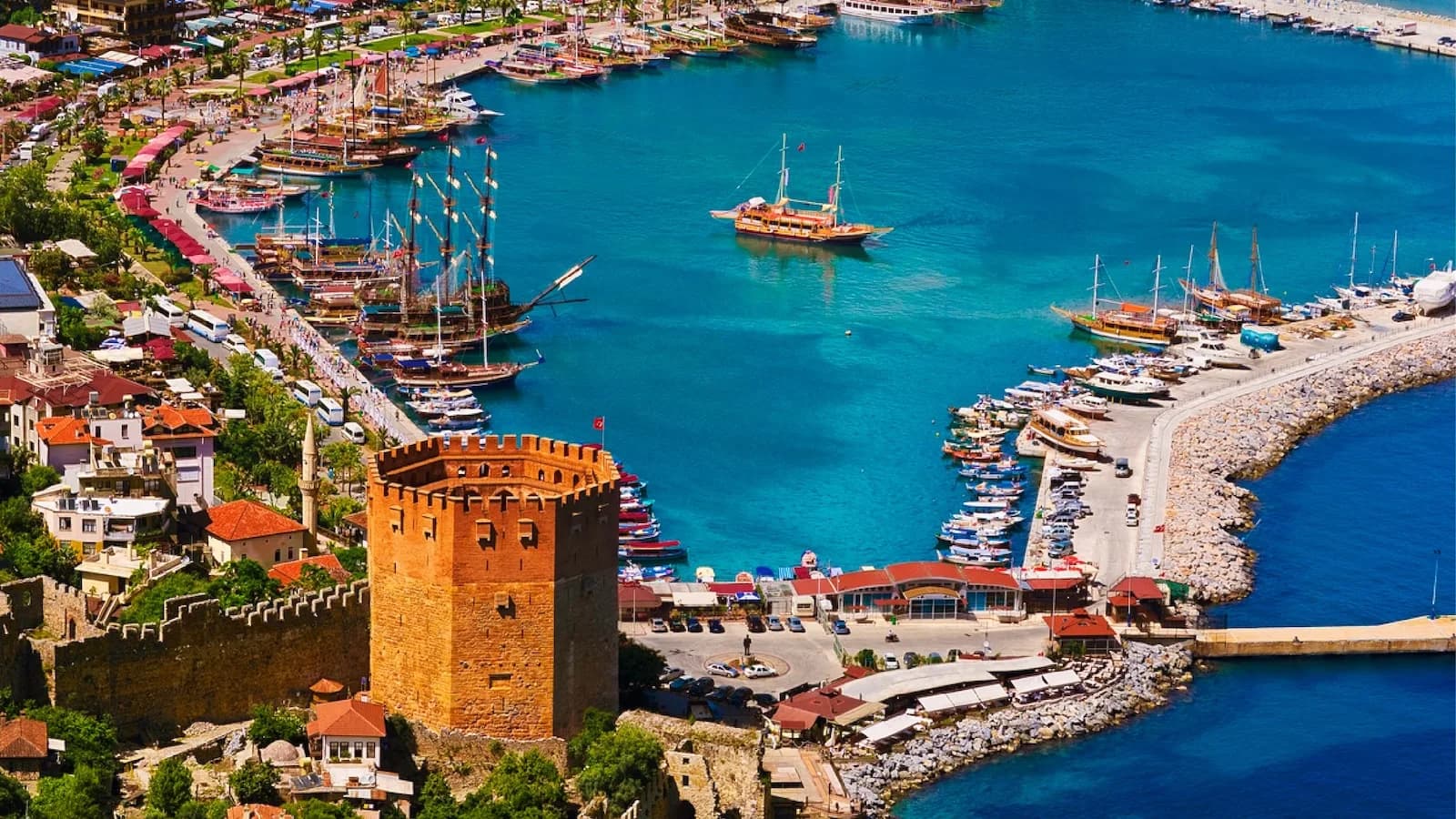
Alanya Castle is one of the symbols of Alanya, a district of Antalya. It stands on a peninsula rising approximately 250 metres above the sea, and its walls extend for a total of 6.5 kilometres. The castle was built during the Hellenistic period in the settlement once known as Kandeleri.